What is Tencel, exactly? And why is it a sustainable fabric? Yes, I know: I've been wanting to write about this for months!
It's even one of the reasons I started writing blog posts in the first place. I wanted to keep you informed about everything to do with my brand ZWAAN, and the topics I had in mind back then were mostly about the materials I work with.
My autumn/winter 2020/21 collection, The Millers, included plenty of Tencel fabrics, so I wanted to tell you more about them. But I never quite got round to it. I want to give you the right information, and that meant doing proper research first, which took me some time… But now it's finally happening! So here's the post many of you have been waiting for: everything you need to know about Tencel, plus a few extra links to explore.
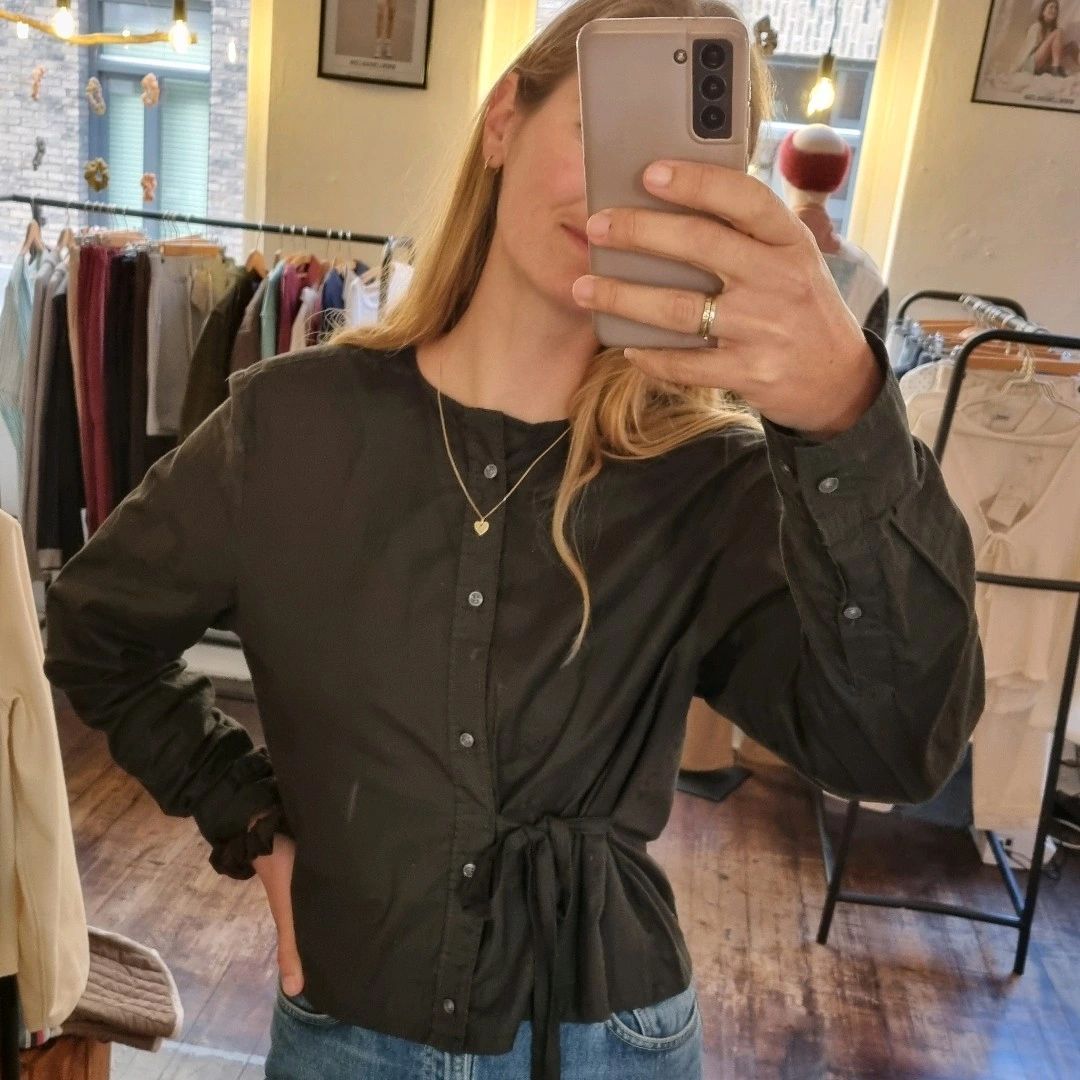
The Dance wrap skirt in the photo at the top is made from Tencel/lyocell fabric.
So what is Tencel?
First things first: Tencel is a brand name, not a material. Tencel is the name for fibres such as lyocell and modal, produced by the Austrian company Lenzing AG.
Now you might be asking yourself: what are lyocell and modal, then? Lyocell is a form of rayon… And what's rayon? In a nutshell, rayon is a fabric made from cellulose fibres, which come from wood pulp or other plant-based materials that cellulose can be extracted from. Because certain chemicals are needed to turn wood (pulp) into fabric, rayon is considered a semi-synthetic fabric.
You've probably all heard of viscose, right? Well, viscose, like modal, cupro, lyocell and Tencel, is a form of rayon. So the building block of all these ‘names’ is cellulose.
Why lyocell rather than viscose?
So why choose lyocell/Tencel instead of viscose? The big and most important difference is the way the wood is dissolved. With viscose, this is done in a way that's really bad for the environment. Chemicals such as sodium hydroxide, sulphuric acid and carbon disulphide are used, and they also set off chemical reactions that are even worse for the environment and for the people working with them.
Lyocell production, on the other hand, uses non-toxic substances. That's much better for our planet, but it doesn't necessarily make it extremely good for it either. That depends on whether the company making the lyocell uses a closed-loop process, what kind of trees it uses for the wood, and many other factors.

And now Tencel. Tencel is a brand name for lyocell. Why am I telling you this again? Because it's really important. When you buy something made of lyocell, you still don't know exactly how it was made. It could be an extremely sustainable product, or ‘shitty fake silk’ (to quote a video about rayon that I found really enlightening). You'd only know how good or bad the fabric is if you researched where the fabric of your product came from, and especially which company made the fibres. But as consumers (me included), we never go to such lengths. So choose Tencel, because if you buy a product made from Tencel fabric, you do know how it was made.
Like the other names I've mentioned, Tencel is a cellulose-based fibre. But this cellulose comes from renewable wood sources – in Tencel's case, from sustainable forests. Tencel is a semi-natural fibre, and thanks to the closed-loop process used for Tencel fabrics, over 99% of the water and chemicals used to make the fibres is reused. Lenzing also states that Tencel fibres are compostable and biodegradable.

From wood to fabric in a nutshell
The wood, mostly eucalyptus, is chopped into little pieces called wood chips. These go into a solvent, which turns them into pulp, a kind of thick slurry. This pulp is pushed through tiny holes (a bit like a garlic press, only bigger…) to create long fibres. These fibres are woven into fabric. And those lovely fabrics are made into products like the Ballet wrap skirt below!

I'm a huge fan of these Tencel fabrics myself. They feel so soft, drape beautifully, and are durable and breathable.
Want to know more?
Want to know more about Tencel and the process? Take a look at the Tencel website itself. And at Meet Milk: most of my Tencel fabrics come from this lovely company. On their site you can read more about their production: where they produce and what standards they maintain.